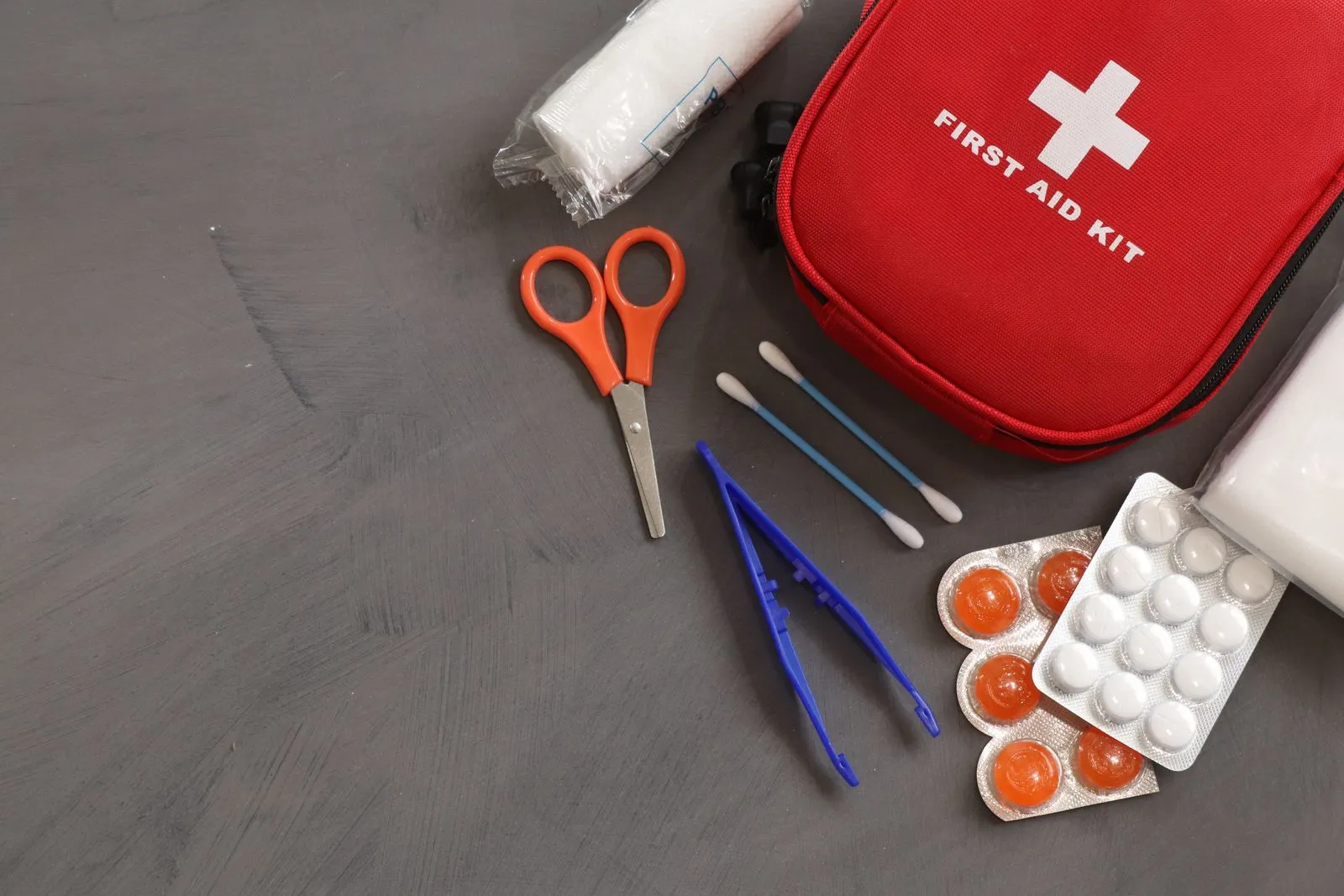
A useful home first aid kit helps you respond calmly to small cuts, scrapes, burns, and other minor problems. It does not replace professional care, but having the right supplies in one known place can save time when an injury happens. Choose items suited to your household, store them safely, and check them regularly. If someone has a serious injury or symptoms that concern you, contact emergency services or a health professional rather than relying on the kit.
Core first aid supplies
Start with adhesive bandages in several sizes, sterile gauze pads, medical tape, and a conforming bandage for holding dressings in place. Add disposable gloves, blunt-tip scissors, tweezers, and safety pins. These basics help protect minor wounds and make it easier to handle dressings without touching the injured area directly.
Include saline or another suitable wound-rinsing solution, antiseptic wipes for cleaning around a wound, and a digital thermometer. A cold pack can help with minor bumps when used according to its instructions. Keep a first aid guide with the supplies, or save reliable local emergency and health advice where household members can find it.
Medicines and household needs
Keep only medicines your household can use safely, such as a familiar pain reliever, and follow the label for age, dose, and warnings. Do not include prescription medicines for general use. If a household member has allergies, asthma, diabetes, or another ongoing condition, keep their prescribed emergency medicines accessible and follow their clinician’s instructions.
Check labels before adding creams, antiseptics, or medicines, and avoid products that are expired or unsuitable for children. Store medicines in their original packaging so directions and ingredient details remain available. Ask a pharmacist or health professional if you are unsure whether a product is appropriate, especially during pregnancy or for young children.
Store supplies safely
Choose a clean, dry place away from direct sunlight, heat, and moisture. A high, secure cupboard works well if children live in or visit the home. Keep the kit easy for responsible adults to reach, and tell household members where it is. Avoid storing medicines in a bathroom, where humidity and temperature changes can affect them.
Use a sturdy, clearly marked container with compartments so small items are easy to locate. Keep instructions with the supplies and make sure the container can be opened quickly. If you use a kit while travelling, keep it secured and protected from extreme temperatures, and return items to their proper place after use.
Check and replenish the kit
Review the kit every few months and after anyone uses it. Replace used bandages, damaged packaging, and products that have passed their expiration date. Check batteries in any included device, such as a thermometer, and confirm that instructions remain readable. A short written checklist on the lid can make restocking straightforward.
Keep the kit focused on minor first aid; do not let it delay care for heavy bleeding, trouble breathing, severe burns, suspected broken bones, or loss of consciousness. Call emergency services for urgent situations. For less urgent concerns, contact a health professional or pharmacist for advice on the next step.
A well-organized first aid kit contains practical wound-care supplies, household-appropriate medicines, and clear instructions. Safe storage and regular checks keep those items ready when needed. Tailor the kit to the people in your home, and ask a pharmacist if you need help choosing suitable products.